30years

PENTAGON DESIGN

30 years of Growth and Happiness through Design with Relevance

What do seamless urban services, engaging museum experiences, compelling brand experiences, successful packaging and thriving products have in common? 

For 30 years, we have had the pleasure of working closely with our clients in all these areas. Today, our services range from designing customer experiences, urban services and museum concepts to developing products, packaging, brand concepts and spaces. What connects our broad range of design work is our commitment to creating sustainable, human-centered solutions that foster growth and wellbeing – Growth and Happiness through Design with Relevance. This idea has been at the heart of our work from the very beginning. 

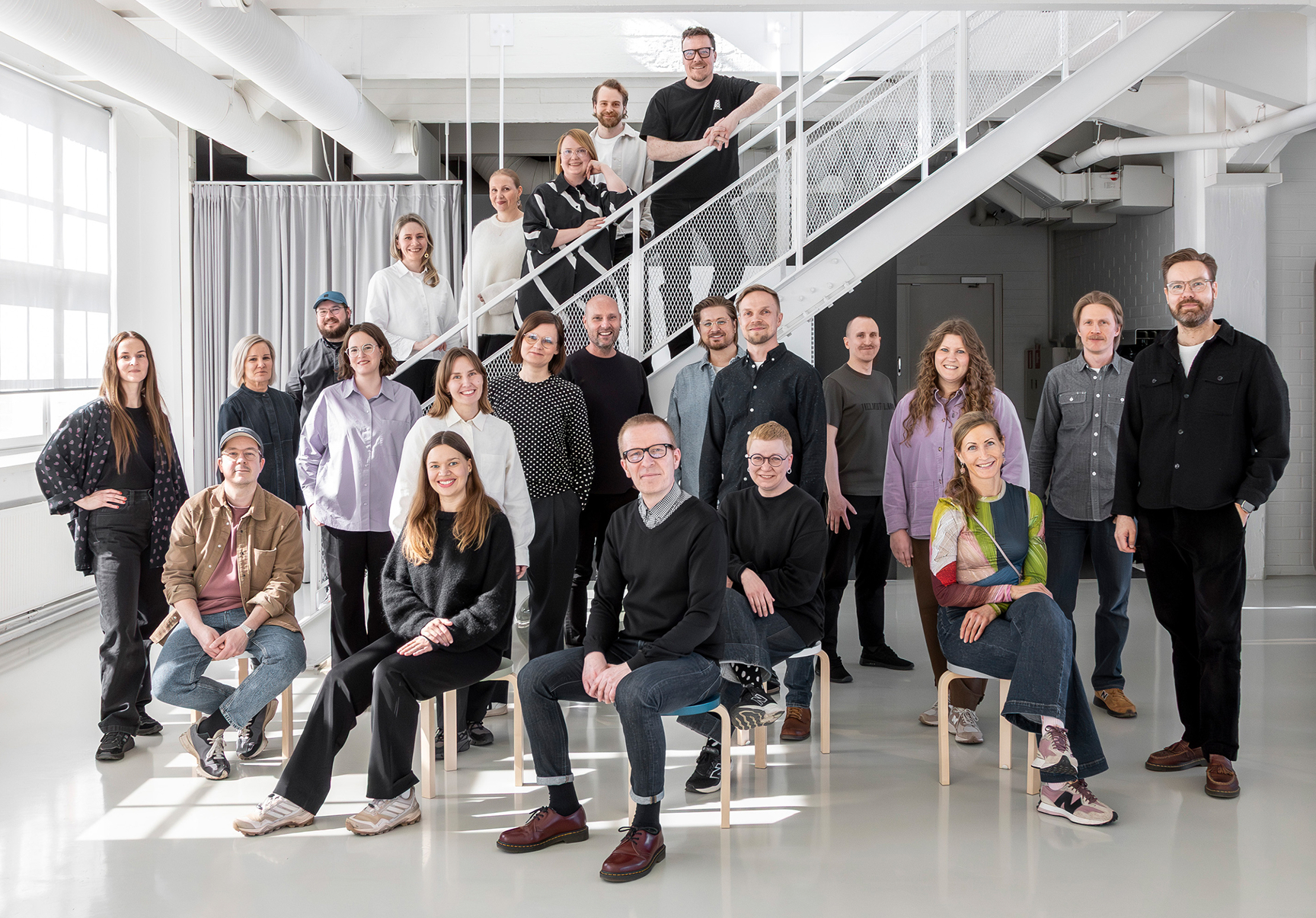
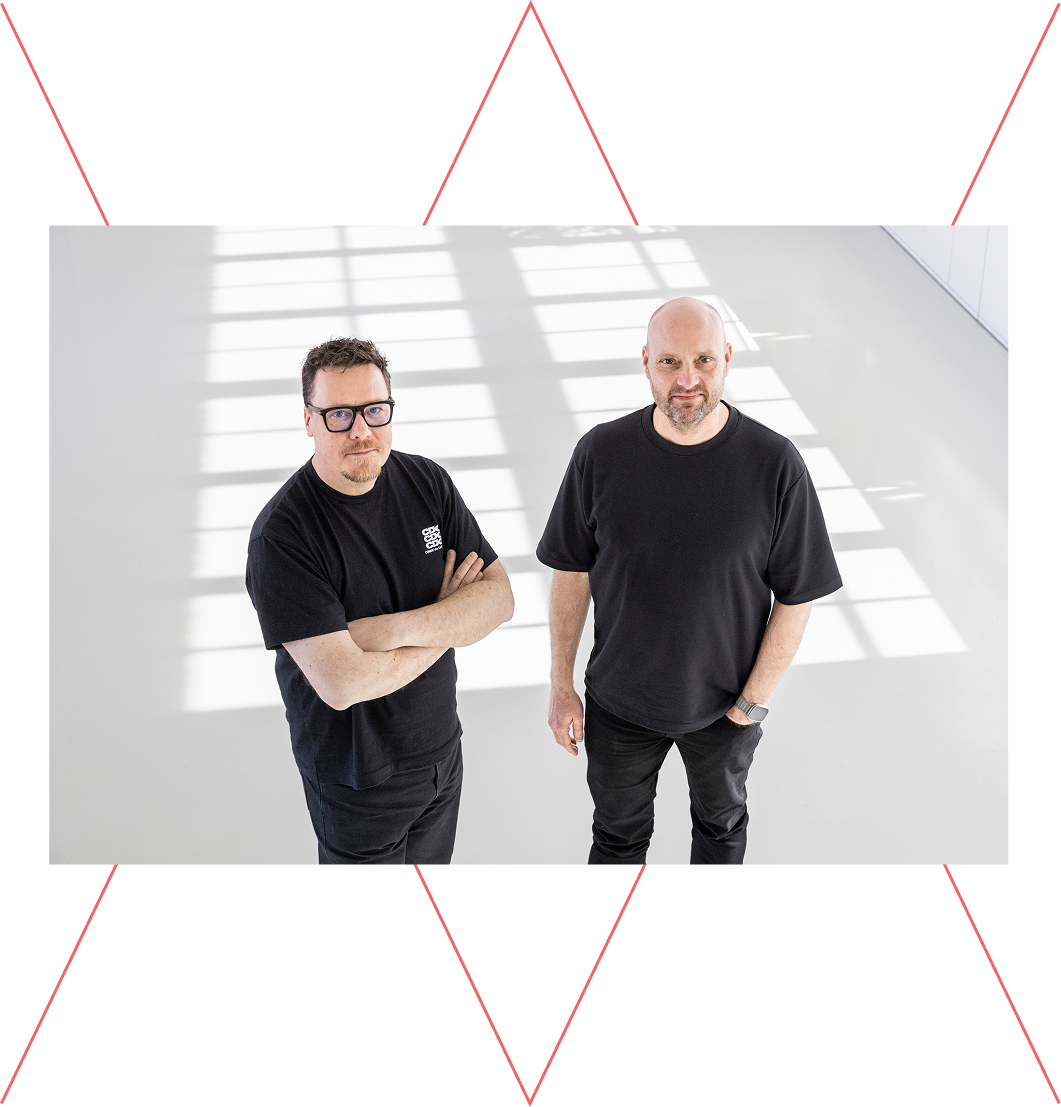
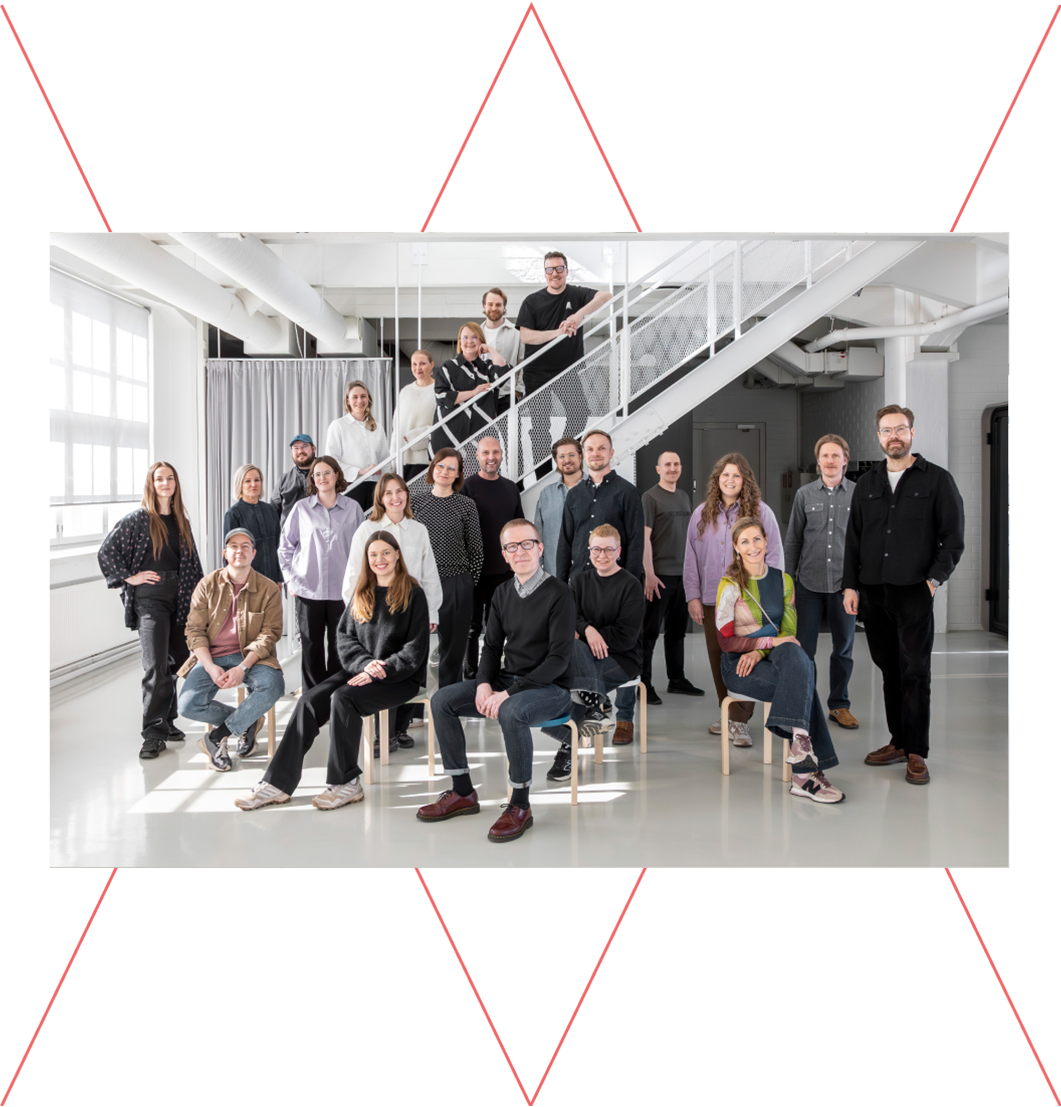
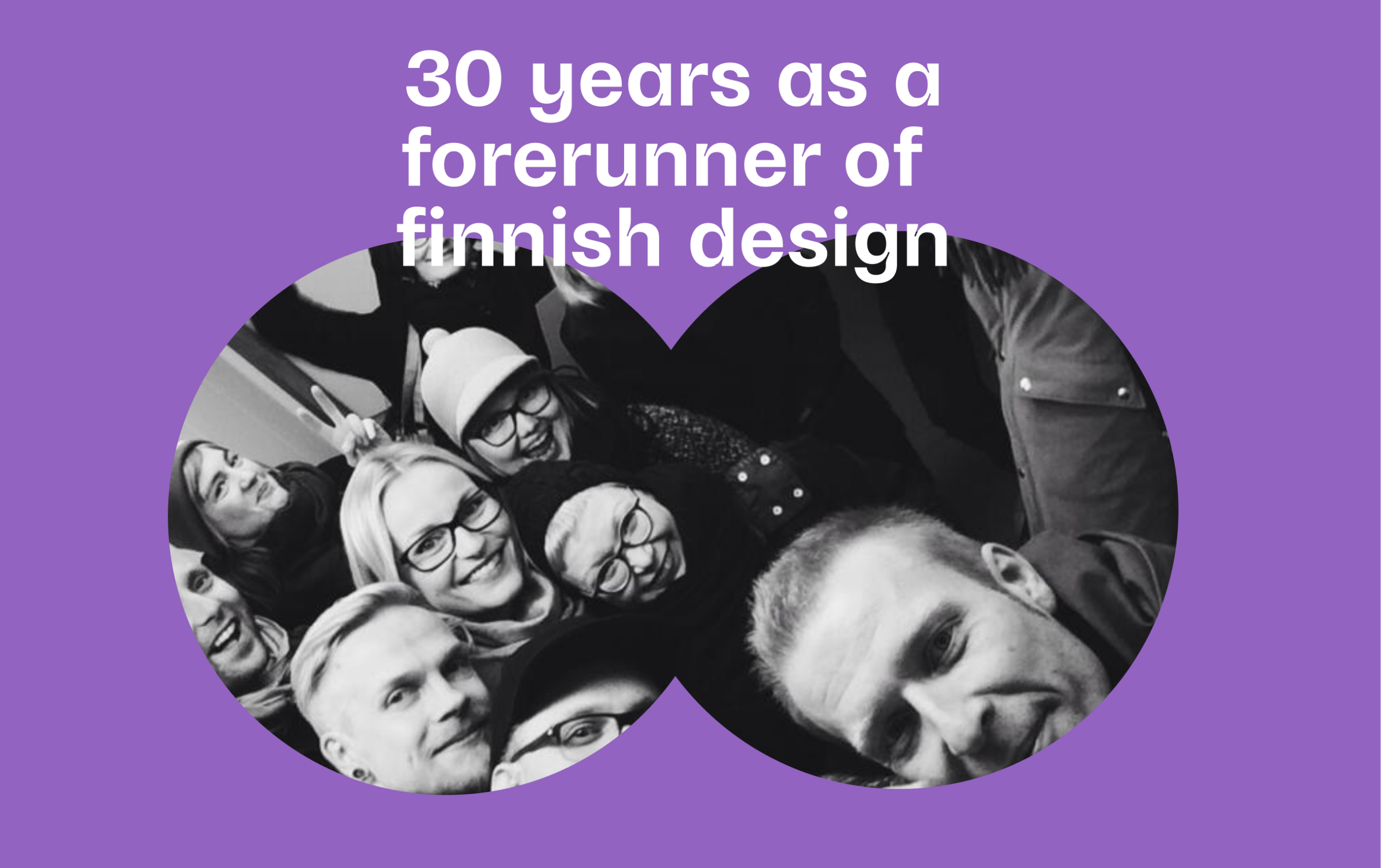
On this anniversary website, you can take a look at a small selection of Pentagon Design’s client projects from the past 30 years. See how a studio founded by two product design students from the Helsinki School of Art and Design grew into a multidisciplinary team of 25 design professionals. To celebrate our anniversary year, we will also publish a book exploring the design stories and insights behind familiar services, products and solutions. Yet above all, as we celebrate 30 years, we want to turn our attention to what lies ahead.

At the heart of all relevant design is the ability to understand and anticipate change. The solutions we design today will be in use well into the 2030s. We have explored the future and the opportunities it holds for designing a better tomorrow. We invite all our current and future clients and partners to join us in exploring what Design with Relevance means today – and what it might mean in the future.

Arni Aromaa 

  • 1996 Pentagon Design is founded
    on 30 May 1996
     
  • 2000 First employee joins the team 
  • 2011 We move to our current office at Hattutehdas
  • 2012 State Prize for Design
  • 2017 Design Agency of the year
  • 2022 25 strategy and design specialists
    on the team
  • 2025 75 design awards and counting
  • 2026 Pentagon Design turns 30!

FUTURE INSIGHT

Across these examples, the common thread is not just new technology, but design that strengthens human wellbeing and agency while respecting planetary limits. By making complex systems more humane and sustainable, these cases point to a future where social progress, environmental responsibility, and sustainable business can grow together. 

PEOPLE

Towards a Long-Lived Society

  • Gamified Democracy: How Singapore Turns Citizen Engagement Into a Game
  • Longevity for the Few? From “Don’t Die” Protocols to $19,000 Precision Clinics
  • When the Gym Class Is Just a Nap

Read the people stories

Gamified Democracy: How Singapore Turns Citizen Engagement Into a Game

Explore how civic participation can be made engaging, rewarding, and accessible. In Singapore, citizens complete gamelike ‑micromissions—from surveys to ‑realworld‑ challenges—earning points, rewards, and a sense of impact along the way. Digital and physical experiences blend as quests lead residents across the city via QR codes, combining civic learning with healthier everyday habits. The core idea is simple yet powerful: when participation feels playful instead of burdensome, more people are willing to contribute their time, data, and ideas to shaping the nation’s future.

Longevity for the Few? From “Don’t Die” Protocols to $19,000 Precision Clinics

The longevity movement is rapidly splitting into two worlds. On one end is the radical selfexperimentation of “Don’t Die” protocols, where aging is treated as a solvable engineering problem through extreme data, discipline, and optimization. On the other are elite precisionmedicine clinics offering genome sequencing, fullbody scans, and concierge care for a high price. Together, they promise longer, healthier lives—but also reveal a growing gap between those who can afford intensive prevention and those relying on conventional healthcare.

From biohacked daily routines to luxury longevity clinics, the quest to slow aging is becoming increasingly unequal. As prevention turns datadriven and expensive, longevity risks becoming a privilege rather than a public good.

When the Gym Class Is Just a Nap

GymNation’s “NapTime” class challenges traditional fitness by making rest the main attraction. Instead of highintensity workouts, participants are guided through gentle stretching, breathwork, meditation, and live music before slipping into a structured nap. Phones are locked away and the studio transforms into a carefully designed sleep environment, positioning recovery as equal to training. The viral success — including a public “sleeping billboard” — reflects a wider shift in fitness culture toward nervoussystem regulation, sleep, and sustainable performance.
POWER

New acts of democracy and participation

  • When Neurodivergent Teens Take Over the Museum Wall
  • Barcode Protest: Danish Shoppers Use Apps to Boycott US Goods

Read the power stories

When Neurodivergent Teens Take Over the Museum Wall

Mansfield Museum’s Neurodiverse Futures hands curatorial power to autistic and neurodivergent teenagers, redefining who gets to shape public culture. Through workshops, participants created sounds, movements, drawings, and spokenword pieces that AI transformed into immersive, largescale digital artworks. Rather than spotlighting AI itself, the project uses it to remove barriers, allowing ideas to take visual form regardless of technical skill. The result is a museum space that acts as an amplifier for voices rarely given the spotlight, reframing technology as a tool for inclusion and shared authorship.

Barcode Protest: Danish Shoppers Use Apps to Boycott US Goods

As tensions rise over US ambitions in Greenland, Danish shoppers are turning everyday grocery trips into acts of protest. Barcodescanning apps like Made O’Meter and UdenUSA let users instantly identify Americanmade products and replace them with alternatives from other countries. While the direct economic impact is likely small, the apps have surged in popularity by offering a simple, tangible way to express political dissent. In doing so, they transform mundane consumer choices into a quiet, datadriven form of civic action.

NATURE

Environmental Crisis as a Catalyst for Adaptation and Renewal

  • A Flower Logo That Turns Everyday Shopping Into Climate Action
  • LabBrewed Fibres Crash the Cashmere Club
  • A Wearable “Sixth Sense” That Lets You Feel Nature’s Stress

Read the nature stories

A Flower Logo That Turns Everyday Shopping Into Climate Action

The EU Ecolabel helps European consumers make genuinely greener choices without wading through complex sustainability claims. The simple flower logo marks products that meet strict standards on lifecycle emissions, durability, repairability, and chemical safety. Unlike many private eco‑labels, it is backed by the European Commission, Member States, and independent verification. For shoppers, its power lies in simplicity: look for the flower, and you know the product is among the most environmentally responsible options in its category.

LabBrewed Fibres Crash the Cashmere Club

Labgrown textiles are entering the world of luxury fashion through Brewed Protein, a fibre created by fermenting microbes instead of relying on animals or fossil fuels. Developed by Japan’s Spiber, the material can be engineered to feel like silk, wool, or cashmere, depending on how its proteins are designed. After proving its performance with a limitededition North Face jacket, Brewed Protein is now appearing in highend cashmere blends and even 100% labbrewed suiting yarns. What looks and feels like a premium natural fabric may now have been brewed in a tank rather than grown on a goat.

A Wearable “Sixth Sense” That Lets You Feel Nature’s Stress

The Gaia Communication System is an experimental wearable that turns environmental data into physical sensations on the body. Developed by Danish studio Inxects, the vest and sleeves use sensors to monitor air quality, plant health, soil moisture, and surrounding wildlife, translating the data into vibrations and coloured light. Instead of reading charts, wearers feel ecosystem stress or balance in real time. The concept imagines a future where climate change and biodiversity loss are no longer abstract metrics, but embodied experiences that directly influence human awareness and behaviour.


TECHNOLOGY

Artificial Intelligence Is Amplifying Human Agency

  • AI Turns Baghdad’s Ottoman Archives Into an Interactive Time Machine
  • Schibsted OpenSources AI Tool That Turns News Articles into Videos

Read the technology stories

AI Turns Baghdad’s Ottoman Archives Into an Interactive Time Machine

Baghdad’s first AIpowered museum transforms fragile Ottomanera archives into an immersive, interactive experience. Using machinelearning tools, historic photographs, maps, and school records are scanned, restored, and colourised, revealing details long lost to time. Visitors explore the past through touchscreens, tracing themes like education, urban planning, and daily life instead of following a fixed linear tour. At the same time, the museum functions as a digital research platform, showing how AI can protect physical artefacts while making history searchable and alive for the public.

Schibsted OpenSources AI Tool That Turns News Articles into Videos

Schibsted is making the core of its Videofy AI tool open source, giving media organisations and developers free access to automated video production. Videofy transforms text articles into short news videos by generating scripts, selecting visuals, adding synthetic voiceovers, and assembling a newsroomready package. The goal is to make video journalism more accessible, particularly for smaller newsrooms with limited resources. By opening the code, Schibsted also promotes transparency in how AI is used, while stressing that editorial responsibility remains human.